Wisdom Teeth Removal Oxnard CA: Questions to Ask Before Surgery
If you have been told it is time to take out your wisdom teeth, the decision can feel oddly simple on paper and surprisingly personal in real life. A consultation may last half an hour. Recovery can shape the next week or two of your schedule, your comfort, and in some cases your confidence in the care you received. That is why https://privatebin.net/?403220192e20f1b7#C2EDuwLjYqvt9qz6zv3XFia5mqepkdi7rVrL82jAL4Vv the best preparation does not start on surgery day. It starts with the questions you ask before anyone places a monitor on your finger or hands you post op instructions.
Patients looking into Wisdom Teeth Removal Oxnard CA often focus on one obvious point, whether the teeth need to come out. That matters, but it is only one part of the picture. The quality of your preoperative conversation often predicts how smooth the process feels. A careful surgeon should be able to explain not just what they recommend, but why, how difficult your case appears, what could change during surgery, and what recovery is likely to look like for someone your age and health status.
I have seen the difference that a thorough consultation makes. Patients who ask clear, practical questions tend to walk into surgery calmer. They know whether they are planning for a long weekend on the couch or several days of noticeable swelling. They know when to worry, when not to worry, and who to call if something feels off at 8 p.m. That clarity matters as much as any prescription.
Start with the real reason the teeth are being removed
Not every wisdom tooth causes trouble right away. Some are impacted under the gums. Some partially erupt and become difficult to clean. Others grow in straight and stay quiet for years. Before surgery is scheduled, ask your oral surgeon exactly what problem they are treating, or trying to prevent.
That answer should be specific. “They might cause problems someday” is not the same as “the lower wisdom tooth is pressing against the second molar” or “there is not enough room, and we already see inflammation around the gum tissue.” Good reasons for removal often include repeated infection, pain, cyst risk, decay in hard to reach areas, damage to nearby teeth, or a poor eruption pattern that is unlikely to improve.
There is also a timing question. A patient in the late teens or early twenties usually heals more predictably than someone in their thirties or forties. Roots may be less fully formed in younger patients, and bone tends to be less dense. That does not mean older adults should avoid surgery when it is needed. It means your surgeon should explain how age changes the equation.
If you are hearing mixed opinions, ask whether your case is urgent, elective, or somewhere in between. That one distinction can help you decide whether to proceed quickly or schedule around school, sports, travel, or work.
Ask what your X rays show, in plain language
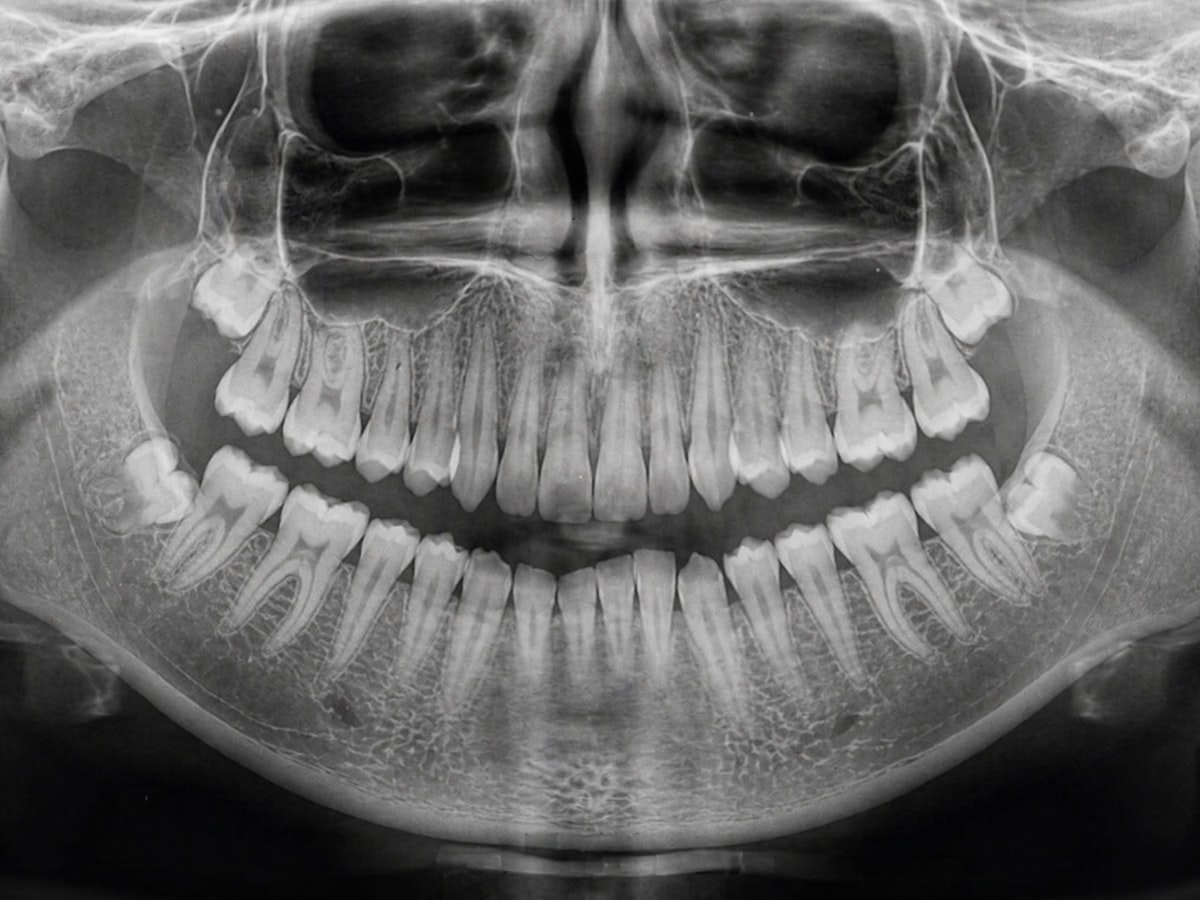
Many patients nod through the imaging review without really understanding what they are seeing. Slow that moment down. Ask your surgeon to point out the position of each wisdom tooth, whether it is erupted, partially impacted, or fully impacted, and whether it sits close to important structures such as the sinus or the inferior alveolar nerve.
The lower wisdom teeth usually raise the most questions because their roots can develop near the nerve that supplies feeling to the lower lip and chin. Most extractions do not injure that nerve, but proximity matters. If the roots appear very close to the nerve canal on a panoramic X ray, your surgeon may discuss a 3D scan, often called a CBCT, for a more detailed look. That is a reasonable conversation, especially in complex lower third molar cases.
Upper wisdom teeth bring a different concern. Their roots may sit near the maxillary sinus. Again, this does not automatically make surgery dangerous, but it may affect surgical technique and postoperative expectations.
A surgeon who explains the imaging clearly usually also explains difficulty honestly. That can sound like, “Your upper teeth look straightforward, but the lower left is deeply angled and buried in bone.” Specificity is reassuring because it signals planning.
The most useful question, how hard is my case really?
This question often reveals more than any other. Not every wisdom teeth removal is the same procedure with different billing. The range is wide. One patient may need simple removal of erupted teeth. Another may require bone removal, sectioning of teeth, and a longer operative time.
Difficulty affects anesthesia planning, swelling, trismus, and downtime. It also affects how much patience you should have with your recovery. If your surgeon says, “I expect a routine recovery, but the lower teeth are likely to produce more swelling on days two and three,” you can plan appropriately. If they say, “This is a deep impaction and there is a higher than average chance of a difficult first week,” that is valuable information, not bad news.
Many patients feel better when they hear realistic expectations early. What causes distress is not swelling itself. It is swelling that arrives unexpectedly because no one described it.
Sedation deserves a detailed conversation
People often say they want to be “asleep” for wisdom teeth removal, but that phrase can mean different things. Depending on the office, your health history, and the complexity of the extraction, options may include local anesthesia alone, nitrous oxide, oral sedation, IV sedation, or deeper anesthesia administered by properly trained professionals.
Do not settle for vague language. Ask what method is being recommended for you, who will administer it, how you will be monitored, and what you will remember afterward. Ask how long you should expect to feel groggy and what restrictions apply for the rest of the day.
This is especially important if you have asthma, sleep apnea, anxiety, reflux, a high body mass index, prior bad reactions to anesthesia, or take medications that affect sedation. Even common issues such as vaping, cannabis use, or stimulant prescriptions can matter. They are not moral issues, but they are clinically relevant. Be direct. A safe team would rather hear uncomfortable details before surgery than discover them during surgery.
It is also wise to ask whether anything about your health history changes the plan. A healthy eighteen year old athlete and a thirty eight year old patient with hypertension may both undergo the same procedure, but their monitoring, medication choices, and recovery guidance may differ.
Questions about risk should not make anyone uncomfortable
A competent surgeon should welcome practical risk questions. You are not being difficult. You are doing exactly what an informed patient should do.
Ask about the complications most relevant to wisdom tooth surgery, including dry socket, infection, bleeding, nerve symptoms, sinus communication in upper extractions, jaw stiffness, and delayed healing. Then ask the follow up question most patients forget: “How common is that in a case like mine, and what would we do if it happened?”
That second part matters. Knowing a complication is possible is only half of informed consent. Knowing the office has a plan for managing it is what lowers anxiety.
One example is dry socket. Patients hear the phrase and imagine a catastrophe. In reality, it can be quite painful, especially several days after lower extractions, but it is usually manageable with prompt evaluation and local treatment. Another example is temporary numbness or tingling after lower wisdom tooth surgery. Most patients never experience it, and most who do recover, but the degree of risk depends heavily on anatomy. That is why the imaging discussion and the difficulty discussion belong in the same conversation.
Understand what recovery will actually look like, day by day
Many people prepare for surgery but not for the texture of recovery. The first evening may be easier than the second morning. Numbness wears off. Swelling peaks later. Sleep can be awkward. Appetite may lag. If you ask your surgeon to walk you through a typical timeline, you can make better decisions about work, school, childcare, and travel.
A practical answer might sound something like this. Day one is mostly about bleeding control, rest, hydration, and staying ahead of pain before the local anesthetic disappears. Days two and three often bring the most swelling and stiffness. By days four through seven, many patients feel meaningfully better, though the extraction sites can remain tender and food may still collect in lower sockets. Full soft tissue healing takes longer than most people expect, and the jaw can feel “normal” only gradually.
That level of detail helps. It also helps to ask what is normal for your specific case. Four erupted wisdom teeth taken out with local anesthetic alone can be a very different recovery from four impacted teeth removed under IV sedation.
Pain control is not one size fits all
One of the smartest questions you can ask is how pain will be managed, and what the plan is if the first plan is not enough. Some surgeons rely primarily on ibuprofen and acetaminophen, often alternated on a schedule, because for many dental surgeries that combination works well. Others may prescribe a stronger medication for breakthrough pain in selected cases. There is no single perfect approach for every patient.
What matters is that you understand the strategy before you go home. Ask when to start medication, whether to take it before numbness fades, whether food is required, and what side effects matter. If you have a history of stomach ulcers, kidney disease, liver issues, or medication sensitivities, speak up. It is much easier to tailor a pain plan ahead of time than after you are nauseated and uncomfortable.
Swelling control is worth discussing too. Ice helps early. Elevating the head can help the first couple of nights. In some cases, a surgeon may use a steroid around the time of surgery to reduce swelling, especially in more difficult extractions. If that is part of the plan, ask why.
Ask what you should buy and prepare before the appointment
This may sound basic, but it is one of the most overlooked parts of the process. The smooth recoveries usually involve simple preparation, not fancy products. You should know what foods are realistic, how to organize medications, and whether you will need gauze, an ice pack, or a syringe for later socket irrigation if your surgeon recommends one.
Here are the essentials most patients should clarify before surgery:
- what to eat and drink the night before and morning of surgery
- which regular medications to take or skip
- who must drive you home and stay with you
- what foods and supplies to have ready for the first 48 hours
- when to start rinsing, brushing, and normal oral hygiene again
Those details reduce preventable problems. Patients get into trouble when they assume, for example, that a smoothie is always safe without asking about straws, or that they can resume a vigorous gym routine the next day because the pain feels manageable in the morning.
If you play sports, travel often, or have a demanding job, say so
Surgery planning should fit your life, not just the office schedule. Athletes need to ask when they can safely return to training, contact sports, heavy lifting, and team travel. College students should ask whether they will be functional enough to study within a few days or whether they should avoid scheduling surgery right before exams. Parents of young children should ask how much help they will need at home the first day. People who travel for work should ask about bleeding risk on flights, access to follow up, and what to do if symptoms worsen out of town.
This is where real judgment comes in. A patient with a desk job may return quickly after a relatively easy extraction. A patient who lifts boxes, teaches all day, performs on stage, or works outdoors in heat may need a more conservative plan. If your surgeon does not ask what your week normally looks like, bring it up yourself.
Cost matters, and the right question is not just “How much?”
Dental surgery fees can be frustrating because the estimate may include several pieces, the consultation, imaging, the extraction itself, sedation, pathology if needed, medications, and follow up care. Rather than focusing only on the total, ask what is included and what could change.
If your insurance is involved, ask the office what portion is an estimate and what portion is guaranteed. Clarify whether the sedation fee is separate. Ask whether there are additional costs if the surgery takes longer than expected or if a 3D scan is recommended. It is also reasonable to ask what happens financially if one tooth proves unnecessary to remove, or if the plan changes after updated imaging.
Clear financial communication is not awkward. It is part of informed consent.
The office itself can tell you a lot
Patients often judge an oral surgery office by how modern it looks. That is understandable, but not especially useful. What matters more is whether the team communicates well, takes your history seriously, explains instructions clearly, and responds promptly to questions.
Watch how the consultation feels. Are you rushed through imaging with very little explanation, or does someone take time to answer your concerns without sounding annoyed? Do the pre op and post op instructions make sense? Is there a clear process for after hours concerns? If bleeding continues, pain escalates, or swelling looks excessive on a weekend, will you reach a person who can advise you?
These points sound mundane until you need them. Then they are everything.
A second opinion can be reasonable
Not every patient needs one, but some do. If you have conflicting recommendations, unusual anatomy, significant medical issues, or simply leave the consultation with major unanswered questions, getting another opinion is sensible. It does not mean the first surgeon is wrong. It means you want confidence before moving forward.
This is especially true when the discussion involves elevated nerve risk, partial removal strategies such as coronectomy, or watchful waiting in an adult patient with asymptomatic wisdom teeth. Those are judgment calls, and nuanced judgment benefits from careful review.
Questions that often uncover the most useful information
When patients feel overwhelmed, they often ask broad questions and get broad answers. Narrower questions tend to produce better guidance. These are the ones that most often lead to practical, case specific information:
- Which tooth is most likely to cause trouble if I wait?
- What part of my case makes surgery easier or harder?
- What should make me call you after surgery, versus wait and watch?
- How many days should I realistically keep my schedule light?
- If recovery does not follow the usual pattern, what is your next step?
Those questions invite explanation rather than sales language. They also reveal whether the surgeon has truly individualized the plan.
Why local context matters in Oxnard
For patients seeking Wisdom Teeth Removal Oxnard CA, location matters in ways people do not always consider. Recovery logistics are easier when your surgeon is accessible and follow up care is close by. That matters if you have significant swelling, concern about a socket, or questions about pain several days later. It also matters for families coordinating rides, school schedules, and time off work.
Oxnard patients often juggle practical demands, commuting, shift work, coastal weather that can tempt people back outdoors too quickly, and family obligations that do not pause just because oral surgery is scheduled. A good pre op conversation should account for those realities. If you know you are the person who usually drives the kids, works weekends, or has a physically demanding routine, say so clearly. Surgical planning is better when it is honest.
Trust the quality of the explanation
Patients sometimes assume they need to evaluate technical skill directly. Most cannot, and they should not have to. What you can evaluate is whether the explanation is clear, balanced, and grounded. A thoughtful surgeon explains benefits without minimizing inconvenience. They discuss risk without dramatizing it. They tailor recommendations to your anatomy, age, symptoms, and health status.
That balance is what you are looking for. Not a frightening consultation, and not a casual one. The right conversation leaves you feeling informed enough to prepare, not pressured enough to surrender your questions.
If you are considering Wisdom Teeth Removal Oxnard CA, the best thing you can bring to your consultation is curiosity. Ask what the images show. Ask how difficult your case appears. Ask how sedation will work, what recovery usually looks like, and what signs deserve a phone call. Those questions do more than help you choose a date. They help you choose a plan, a team, and a level of preparation that makes surgery feel manageable from start to finish.
Oxnard Dentistry
1730 E Gonzales Rd
Oxnard, CA 93036, United States
Phone: +1 805-307-8731
FAQ About Wisdom Teeth Removal Oxnard CA
How much does it cost to get wisdom teeth removed in California?
Fees depend on tooth position, the number of extractions, imaging and anesthesia. Oxnard Dentistry can provide an individual estimate after examining your teeth. Ask for an itemized plan and confirm insurance benefits before scheduling.
Will insurance cover wisdom teeth removal?
Coverage and out-of-pocket costs vary by policy and the treatment required. Ask the dental office and your insurer to verify benefits, annual limits and any authorization requirements. A benefit estimate does not guarantee payment.
Is 30 too old to have wisdom teeth removed?
Age alone does not determine whether extraction is appropriate. A dentist evaluates symptoms, tooth position, oral health and medical history. Healthy, functional wisdom teeth may be monitored; teeth causing disease or other problems may need treatment.