What Is Invisalign and How Does It Work?
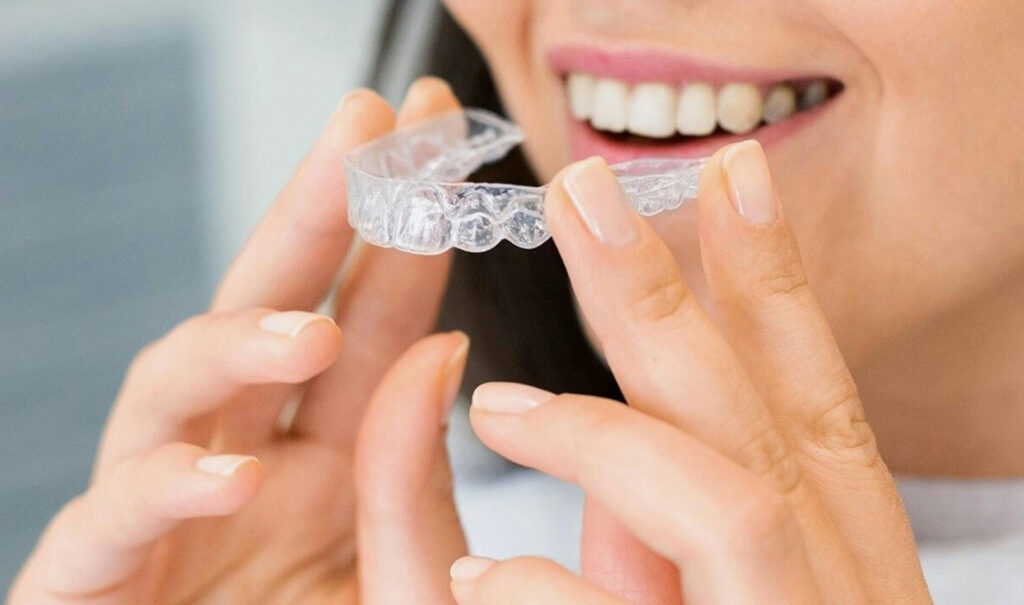

If you have ever looked into straightening your teeth but hesitated at the thought of metal braces, Invisalign has probably come up quickly. It is one of the best-known clear aligner systems in dentistry, and for good reason. It offers a different experience from traditional orthodontics, both in appearance and in day-to-day routine. Patients are often drawn to the fact that the trays are removable and relatively discreet, but those selling points only matter if the treatment can actually move teeth safely and predictably.
That is where a lot of the confusion starts. Many people assume Invisalign is simply a set of plastic retainers that gradually force teeth into place. The reality is more sophisticated. Invisalign is a planned orthodontic system built around digital scans, staged tooth movements, pressure control, and close professional monitoring. The clear trays may look simple, but behind them is a treatment sequence designed with remarkable precision.
Understanding how Invisalign works helps set realistic expectations. It can treat many cases very well, but it is not magic, and it is not the right choice for every bite. A person considering treatment should know what the aligners do, what they do not do, how long treatment usually takes, and what level of commitment is required for a good result.
What Invisalign actually is
Invisalign is a brand of clear aligner therapy used to move teeth into better positions over time. Instead of brackets and wires, treatment relies on a series of custom-made transparent trays that fit snugly over the teeth. Each tray is slightly different from the last. As you switch from one aligner to the next, the teeth are guided through small, planned movements.
The key idea is controlled progression. One tray might rotate a canine a fraction of a millimeter. Another might tip an incisor slightly or begin to widen the dental arch. Those tiny changes add up over months. In a straightforward case, the shifts may be mostly cosmetic, such as closing small spaces or relieving minor crowding. In a more involved case, the aligners may be used to correct bite relationships, move premolars, or coordinate the upper and lower arches.
People sometimes lump every clear aligner brand together, but Invisalign has a specific treatment ecosystem. That includes the digital planning software, the manufactured aligners, and the use of attachments and other auxiliaries when needed. It is not just the trays themselves that matter. The outcome depends heavily on diagnosis, case selection, and the skill of the dentist or orthodontist directing treatment.
How the trays move teeth
Teeth are not fixed rigidly in bone. Each tooth sits in a socket and is supported by the periodontal ligament, a thin structure that allows for limited movement when gentle force is applied. Orthodontic treatment works by placing sustained pressure on teeth, which signals the surrounding bone to remodel. Bone is resorbed in one area and built up in another, allowing the tooth to shift gradually.
Invisalign uses this same biological principle as braces. The difference lies in the mechanics. Braces apply force through brackets and wires. Invisalign applies force through a molded aligner that contacts the teeth in very specific ways. Because the trays are custom-made for progressive stages, each one is designed to encourage certain movements while holding others stable.
This is where professional planning matters. Not every movement is equally easy with aligners. Some teeth rotate readily. Others resist. Moving roots through bone can be harder than simply tipping the visible crown. Extruding a tooth, pulling it slightly outward from the gumline, can be less predictable than bringing one inward. Experienced clinicians know this and plan accordingly. They often build in overcorrections, add attachments, or use elastics to improve control.
One practical way to think about Invisalign is that each tray is like a very small instruction set. Worn enough hours per day, it places pressure where pressure is needed. Skipped wear breaks that pattern. That is why two patients with the same digital treatment plan can get very different results depending on compliance.
The first step, assessment and digital records
Before anyone starts Invisalign, there needs to be an assessment of whether it is an appropriate option. That usually involves a clinical exam, photographs, X-rays, and a digital scan or impressions. Most modern practices use an intraoral scanner, which creates a 3D model of the teeth without the mess of traditional putty impressions.
The scan is more than a pretty image on a screen. It allows the provider to study crowding, spacing, tooth angulation, arch form, and bite relationships. X-rays add another layer, showing roots, bone levels, impacted teeth, and any issues that could complicate tooth movement. A patient with untreated gum disease, active decay, or significant bone loss may need other dental treatment before orthodontics is even considered.
During this planning phase, the provider also looks at whether the case is mild, moderate, or complex. Invisalign can handle a wide range of situations, but not every one. Severe skeletal discrepancies, for example, may call for braces, jaw surgery, or a combined approach. A patient with heavy clenching or poor wear habits may not be an ideal aligner candidate either. The best treatment is not always the least visible one.
The treatment plan behind the scenes
Once records are gathered, the case is mapped out digitally. With Invisalign, the clinician uses software to stage tooth movements from the current position toward the desired result. The plan can often show a simulation of how the teeth are expected to move over time.
Patients love seeing these simulations, but they should be understood as a treatment model, not a guarantee. Biology does not always follow the screen perfectly. Teeth can lag behind, certain rotations may not track well, and refinement may be needed later. Still, the digital plan is valuable because it gives both the provider and patient a structured roadmap.
A skilled clinician does not simply accept the software's default suggestion and press send. That is one of the biggest misconceptions about clear aligners. Good Invisalign treatment involves active orthodontic judgment. The provider may change the staging, slow certain movements, preserve anchorage, plan interproximal reduction to create space, or decide where attachments should go. In some cases, the provider may break treatment into phases to maintain better control.
This planning stage is often where the difference between a mediocre outcome and a polished one is decided.
Why some patients have small bumps on their teeth
If you have seen someone in Invisalign up close, you may have noticed tiny tooth-colored shapes bonded to certain teeth. These are called attachments. They are made from dental composite and are placed strategically to give the aligners more grip and better leverage.
Without attachments, some movements would be difficult or unreliable. A smooth plastic tray can only push in limited ways against a smooth tooth surface. Attachments act like handles or anchors. Depending on their shape and position, they help the aligner rotate a tooth, pull it in a planned direction, or keep it from slipping.
Patients are sometimes disappointed when they learn that Invisalign is not always completely invisible. That is fair. Attachments can be noticeable at close range, especially on front teeth, though they are still much subtler than brackets. From a treatment perspective, though, they are often worth it. I have seen cases where refusing attachments for cosmetic reasons made the aligners far less effective. Sometimes the discreet option only works because those tiny details are included.
What wearing Invisalign is really like
The aligners need to be worn for most of the day, generally around 20 to 22 hours. That means they come out for meals, snacks, and brushing, then go back in. For motivated adults and responsible teens, this routine is manageable. For people who graze all day, sip sweetened drinks constantly, or tend to misplace things, it can be a struggle.
The first few days with a new set of trays often bring pressure rather than sharp pain. Patients describe it as tightness, soreness, or a dull ache when biting down. That usually fades after a day or two as the teeth begin to adapt. Speech can sound slightly different at first, especially with certain sounds, but most people adjust quickly.
There are trade-offs compared with braces. Invisalign gives you the freedom to eat what you want because there are no wires to trap food or brackets to break on hard items. Oral hygiene is easier because you can brush and floss normally. On the other hand, the system depends on self-discipline. Braces keep working whether you feel like participating that day or not. Invisalign does not.
A detail many people underestimate is the inconvenience of frequent removal. If you are having coffee on a long commute, meeting clients over lunch, or snacking through a hectic afternoon, aligners can feel less effortless than they sound in marketing. The best patients tend to be those who like structure. They get into a rhythm and stick to it.
How treatment progresses from tray to tray
Most Invisalign treatment involves switching aligners every one to two weeks, though protocols vary. Each new tray continues the sequence of planned movements. The patient attends periodic check-ins so the provider can confirm that the teeth are tracking properly, meaning they are fitting the current aligners the way the treatment plan intended.
Tracking matters. If a tooth is not fully seating into the tray, future aligners may fit worse and the discrepancy can snowball. This is why providers often recommend chewies, small soft cylinders patients bite on to help seat the aligners completely. It is also why those little spaces you sometimes see between a tooth and the plastic should not be ignored.
Here is a simple picture of how the process usually unfolds:
- Records are taken, the case is diagnosed, and the tooth movements are planned digitally.
- A series of custom aligners is made, often along with attachments and sometimes space-creating adjustments between teeth.
- The patient wears each tray as directed and returns for progress checks so the provider can confirm proper movement.
- Midcourse changes or refinements are made if teeth do not track as expected or if more detail is needed at the end.
- Once the result is stable and acceptable, retainers are provided to hold the teeth in their new positions.
Refinement deserves special attention. It is common, not a sign of failure. Many Invisalign cases need additional aligners after the first series to fine-tune rotations, settle the bite, or close residual spaces. This is especially true in more complex cases. Patients who understand that from the start are usually much happier than those who expect perfection the moment the first box is empty.
What Invisalign can treat well, and where it struggles
Invisalign works very well for many common orthodontic https://emiliokppq314.nexorafield.com/posts/invisalign-for-college-students-flexible-orthodontic-care concerns. Mild to moderate crowding, spacing, relapse after earlier braces, and many cosmetic alignment issues are often good fits. It can also treat a range of bite problems, including some overbites, underbites, and crossbites, especially when combined with attachments, elastics, or other auxiliaries.
That said, not every case responds equally well. The challenge is not whether teeth can move, but how predictably and efficiently they can be moved with removable plastic aligners. Certain movements demand more control than aligners naturally offer.
The situations that often require more judgment include significant rotations of rounded teeth, large vertical discrepancies, major root movements, and severe bite corrections. Complex extraction cases can sometimes be treated with Invisalign, but they usually demand a high level of expertise. In some practices, braces remain the better tool for specific mechanics, especially if speed, precision, or absolute control is the priority.
That is one reason it is risky to choose treatment based only on convenience or advertising. The right question is not "Do I want clear aligners?" But "What is the best way to move my teeth safely and get a stable result?"
The role of elastics, polishing between teeth, and other extras
Many patients are surprised to learn that Invisalign treatment may involve more than trays. One common addition is elastics, small rubber bands used to improve bite correction. They attach to cutouts or buttons and help coordinate how the upper and lower teeth fit together. If you are correcting a bite issue, elastics can make a major difference.
Another common step is interproximal reduction, often shortened to IPR. This involves removing a very small amount of enamel between selected teeth to create space. Done properly, it is conservative, measured, and often crucial for resolving crowding without expanding too much or flaring the front teeth. Patients sometimes worry when they hear the word "filing," but the amount is usually tiny, often fractions of a millimeter.
These details matter because they show that Invisalign is not merely cosmetic. It is orthodontic treatment, and orthodontic treatment often needs supporting mechanics.
How long Invisalign takes
Treatment length varies widely. A limited cosmetic case might take as little as a few months. A more involved case can take 12 to 18 months, and complex treatment may go longer. The most honest answer is that timing depends on three things: the difficulty of the case, how consistently the aligners are worn, and how the teeth respond biologically.
Patients tend to focus on the number of trays, but tray count is not the whole story. Some providers use seven-day changes, some use ten-day or fourteen-day changes, and refinements can add time. Missed wear adds time too. If aligners sit on the bathroom counter for hours each day, treatment slows down. I have seen small relapses happen within a few days of poor wear, especially when teeth are rotating or spaces are trying to reopen.
There is also a biological limit to how fast healthy tooth movement should occur. Faster is not always better. A provider who pushes too hard on timing can create discomfort, poor tracking, or unstable results.
Cost, value, and what patients are really paying for
The cost of Invisalign varies by region, provider experience, and case complexity. In many markets, it falls within the same broad range as braces, though simpler limited cases may be less expensive and complex treatment may cost more. Patients are not just paying for plastic trays. They are paying for diagnosis, treatment design, clinical supervision, adjustments, refinements, and retention at the end.
Price shopping is understandable, but it can be shortsighted. A low upfront quote can become expensive if the plan is inadequate, if the bite is ignored, or if refinements are handled poorly. Orthodontic treatment is one of those services where the visible product is only part of the value. The thinking behind it is what determines whether the smile looks good and functions well years later.
A polished front view can hide a weak finish if the bite is unstable. Teeth may look straighter in photos but chip, wear, or relapse if they do not meet properly. That is why provider choice matters as much as brand choice.
Invisalign compared with braces
Both Invisalign and braces can produce excellent outcomes when used appropriately. The better option depends on the case and the patient.
Braces are fixed, so compliance is less of an issue. They are often more forgiving for younger patients, more efficient for certain complex movements, and less likely to be forgotten in a napkin at a restaurant. Invisalign is more discreet, easier for hygiene, and often more comfortable in terms of soft-tissue irritation, though the tray edges can occasionally rub and the pressure of movement is still very real.
The most useful comparison is not which one is better in general, but which one is better for a specific mouth and lifestyle. An organized adult who needs moderate alignment and values appearance may do beautifully with Invisalign. A teenager who loses retainers twice a year and barely remembers homework may be better served with braces. The right answer can be surprisingly personal.
The part people forget, retention after treatment
Straightening teeth is only half the job. Keeping them straight is the other half, and it never fully goes away. Teeth have a natural tendency to drift over time. Age, bite forces, grinding, gum health, and normal tissue pressures all play a role. Whether treatment was done with braces or Invisalign, retainers are essential.
Most patients receive clear retainers that look similar to aligners, though they are not the same thing. Some may also receive a fixed bonded retainer behind certain front teeth. Retention schedules vary, but many providers recommend full-time wear initially, followed by night wear long term.
This is one of the most important practical truths in orthodontics: if you like your result, plan on maintaining it. Relapse is common when retainers are neglected. I have seen patients invest well over a year in treatment, then lose ground within months because the retainers stayed in a drawer.
Who is a good candidate for Invisalign?
The best candidates are not defined only by the shape of their teeth. They are also defined by habits. A person can have a treatable case on paper and still struggle with aligners if they are unlikely to wear them enough. The opposite is true as well. A highly motivated patient can often do very well, even in a case that requires careful monitoring and a few extra tools.
A strong candidate usually has most of the following traits:
- Healthy teeth and gums, or a willingness to address those issues before starting.
- A level of crowding or bite discrepancy that is appropriate for aligner therapy.
- The discipline to wear trays about 20 to 22 hours a day.
- Realistic expectations about attachments, refinements, and treatment time.
- Commitment to retention after treatment is finished.
That final point matters more than people expect. The patients who have the smoothest Invisalign experience tend to be those who understand it as a process, not a quick cosmetic purchase.
Questions worth asking before you start
A good consultation should leave you with more than a price and a tray count. It should give you clarity. Ask whether your bite will be corrected or only the front teeth straightened. Ask whether attachments, elastics, or IPR are likely. Ask what happens if refinements are needed. Ask how retention will be handled.
If a plan sounds too easy for a case that looks complicated, it is worth slowing down. Orthodontics rewards careful decisions. A thoughtful provider will explain limitations as well as benefits. That kind of honesty is usually a very good sign.
So, how does Invisalign work in practical terms?
At its core, Invisalign works by using a series of precisely designed clear aligners to apply controlled force to teeth over time. Each tray represents a small step in a larger orthodontic plan. The teeth respond biologically to that pressure, and the bone around them remodels so movement can occur safely. Attachments, elastics, enamel adjustment, and periodic refinements may all be part of the process.
For the right patient, with the right case, under the guidance of a skilled provider, Invisalign can be an excellent treatment option. It can deliver meaningful functional improvement and a very natural-looking smile without the look of traditional braces. But it works best when patients understand what it asks of them. Wear time matters. Follow-up matters. Retainers matter.
Clear aligners may look simple in the hand, but successful treatment is built on planning, precision, and consistency. That is what makes Invisalign more than a cosmetic accessory. It is real orthodontics, just delivered in a different form.
Omni Dental Specialty
Address: 1690 E Gonzales Rd, Oxnard, CA 93036
Phone number: +18053666000
FAQ About Invisalign
How much does Invisalign actually cost?
The out-of-pocket cost for Invisalign typically ranges between $3,000 and $8,000, with most patients paying a national average of roughly $5,100 to $5,700 before insurance.
What is the downside to Invisalign?
The biggest downsides to Invisalign are the intense discipline required to wear the trays 22 hours a day, the inconvenience of removing them to eat or drink, and the inability to fix severe, complex orthodontic issues.
Is $5000 a lot for Invisalign?
No, $5,000 is not considered a lot for Invisalign; it is exactly the national average. Treatment costs typically fall between $3,000 and $8,000, and $5,000 is the standard fee for a moderately complex case that takes 6 to 18 months to complete.