Invisalign 101: Everything You Need to Get Started
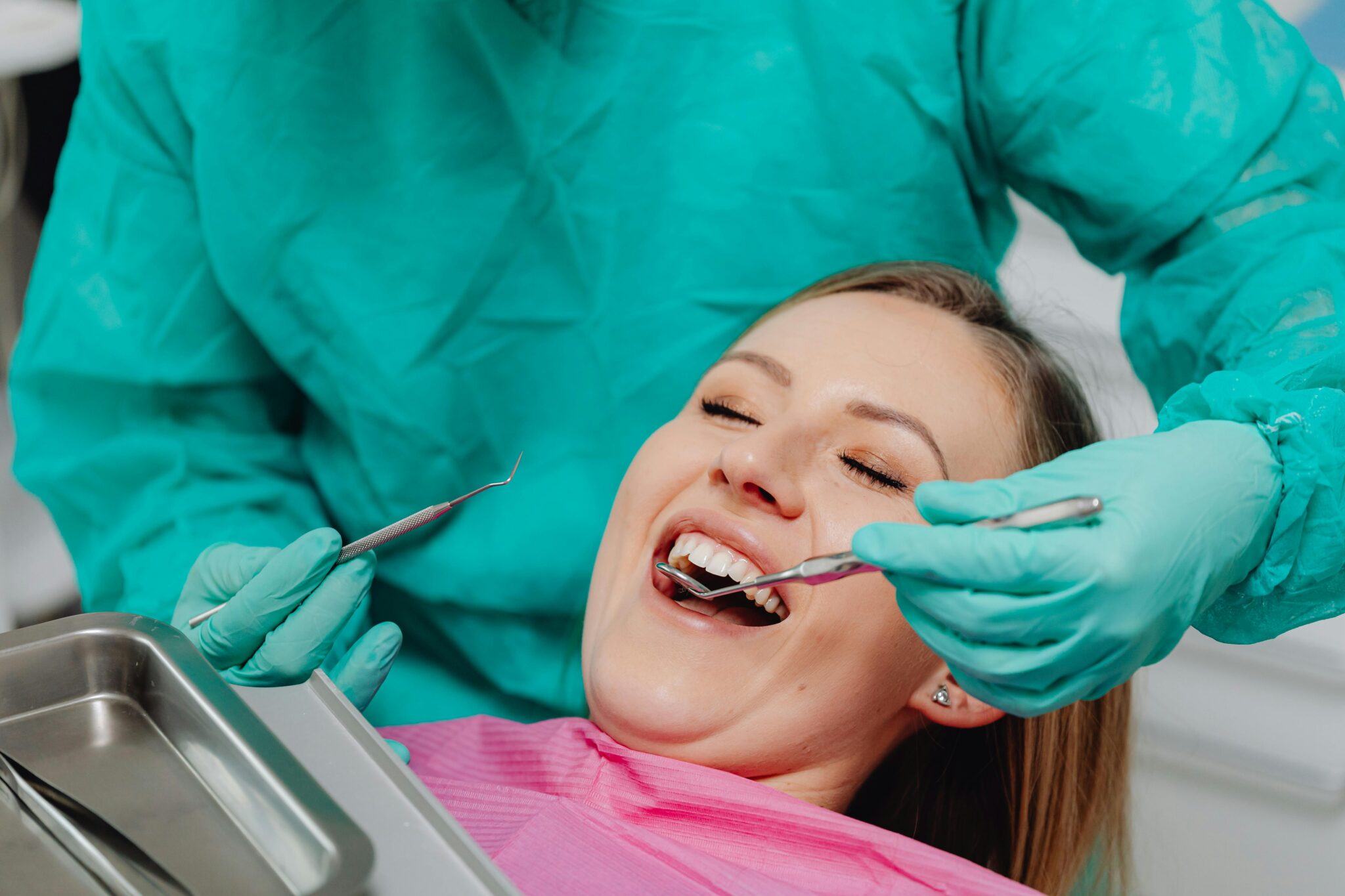
If you have been thinking about straightening your teeth but keep hesitating because you do not want brackets and wires, Invisalign is usually the first alternative that comes up. For good reason. Clear aligners have changed orthodontic treatment for adults, teens, and even some younger patients who want a lower-profile option. They can be effective, comfortable, and easier to live with than traditional braces, but they are not effortless and they are not right for every case.
Most people start with the same basic questions. Does Invisalign actually work? How long does it take? Is it painful? Is it worth the cost? What happens if you forget to wear the trays? Those are the right questions to ask, because success with Invisalign depends as much on fit, habits, and planning as it does on the plastic aligners themselves.
The patients who do best are usually not the ones chasing a cosmetic shortcut. They are the ones who understand what treatment involves, commit to the daily routine, and choose a provider who knows how to manage details. Invisalign can look simple from the outside. In practice, it is a highly controlled orthodontic system that relies on biology, precision, and consistency.
What Invisalign actually is
Invisalign is a brand of clear aligner therapy. Instead of moving teeth with metal brackets and wires, treatment uses a series of custom-made transparent trays that fit snugly over your teeth. Each set of trays is designed to apply small, planned forces. Over time, those forces shift teeth into better positions.
That sounds straightforward, but there is more engineering behind it than most people realize. Your provider begins with a digital scan or highly accurate impressions of your teeth. That data is used to create a step-by-step treatment plan. The aligners are then manufactured in a sequence, with each new set representing the next stage of movement.
In many cases, the aligners work alongside small tooth-colored attachments bonded to certain teeth. These attachments give the plastic trays something to grip, making more complex movements possible. If you have seen photos of Invisalign and thought, "Those tiny bumps do not look very invisible," that reaction is fair. They are usually subtle, but they are often part of what makes the system effective.
Some patients also need a little enamel polishing between teeth, called interproximal reduction or IPR. This sounds alarming until it is explained properly. Usually, it involves removing a very small amount of enamel, often fractions of a millimeter, to create space and improve the final fit. When done conservatively and for the right reasons, it is a standard part of orthodontic treatment.
Why people choose Invisalign
The appeal is obvious. Invisalign is discreet. For professionals who speak all day, teenagers who feel self-conscious, or adults who avoided braces in adolescence, that matters. The trays are removable, which means no food restrictions and much simpler brushing and flossing than with fixed braces. If you have ever watched someone thread floss under an orthodontic wire every night, you understand why this benefit alone sways many people.
There is also a lifestyle advantage. If you have an important presentation, wedding, or photo session, you can briefly remove the aligners. That flexibility is real, but it is also where people get into trouble. The very feature that makes Invisalign appealing, removability, is what demands discipline. Braces work whether you feel motivated or not. https://devinjxjv133.bearsfanteamshop.com/how-often-should-you-wear-invisalign-aligners Invisalign only works when you wear it.
For many adults, another reason is comfort. Aligners do not have the sharp brackets or poking wires that can irritate cheeks and lips. That said, comfort is relative. Fresh trays can create pressure, and some people notice soreness for a day or two after each change. It is usually manageable, but it is still orthodontic movement. Expect pressure, not magic.
Who tends to be a good candidate
Invisalign can treat mild, moderate, and some fairly complex orthodontic problems, including crowding, spacing, crossbites, overbites, and underbites. The best candidates are not defined only by the shape of their teeth. Compliance matters just as much as diagnosis.
A good candidate usually has a healthy mouth to begin with. Untreated cavities, active gum disease, and significant tartar buildup should be addressed before moving teeth. Teeth need a stable foundation. If gums are inflamed or bone support is compromised, aligner treatment can become riskier and less predictable.
It also helps to have realistic expectations. Invisalign can do a lot, but there are cases where traditional braces or a hybrid approach may still be the better choice. Teeth that need large rotations, major vertical changes, or very complex bite correction may be more efficiently treated with fixed appliances. A strong provider will tell you that instead of forcing every case into the same system.
Here are the traits that usually predict a smoother Invisalign experience:
- You can wear aligners 20 to 22 hours a day most days.
- You are willing to remove them before eating or drinking anything except water.
- You keep up with brushing, flossing, and regular dental visits.
- You want a discreet option and understand the trade-off is personal responsibility.
- You are open to attachments, IPR, or refinements if your case needs them.
That last point deserves emphasis. Many patients hear the estimated timeline and assume that once they receive the final tray, treatment is over. Often, it is not. Refinements are common. That does not mean something went wrong. Teeth are biological structures, not mechanical parts on a track. Some move exactly as predicted, some lag, and some respond faster than expected.
What happens at the first consultation
A proper Invisalign consultation is more than a sales pitch and a before-and-after slideshow. It should include a clinical exam, a conversation about your goals, a review of your dental and gum health, and imaging or digital scans when appropriate. Good treatment planning starts with understanding your bite, not just whether the front teeth look crowded in selfies.
At this visit, a provider will usually discuss what concerns you most. Some patients care only about a single overlapping front tooth. Others are bothered by spacing, a deep bite, or how their upper and lower teeth fit together when chewing. Those goals influence the plan.
If you are shown a digital simulation of your projected result, take it as a planning tool, not a guaranteed promise. Simulations are useful and often impressive, but the mouth does not always behave exactly like software. A responsible provider will explain what is likely, what is possible, and where uncertainty exists.
This is also the right moment to ask practical questions, especially about attachments, treatment time, refinements, and retention afterward. If the conversation stays vague, or if every question gets brushed aside with "It depends" and no real context, that is not reassuring. Orthodontic treatment should be individualized, but your provider should still be able to explain the likely path in clear terms.
The treatment process, from scan to final tray
Once you decide to proceed, your provider collects detailed records. Today that usually means an intraoral scan rather than traditional putty impressions, though both are still used in some settings. The scan captures the shape of your teeth and bite with enough accuracy to design the aligners.
After the treatment plan is approved, the aligners are made and delivered in sets. You will wear each set for a prescribed period, commonly one to two weeks, though schedules vary. Some providers recommend changing trays at night so the first few hours of tightness happen while you are asleep. It is a small practical detail, but patients often appreciate it.
You will return for periodic checks so your provider can confirm that your teeth are tracking as expected. Tracking means your teeth are following the planned movements closely enough that each new tray still fits properly. If an aligner suddenly feels impossible to seat, or if visible gaps appear between the tray and the edges of the teeth, that can signal a tracking problem.
To improve seating, many patients are given chewies, small soft cylinders you bite on for a few minutes to help the aligners settle more completely. It is not glamorous, but it works. In early treatment, especially after switching trays, this can make a meaningful difference.
If attachments are part of your plan, they are usually placed early in treatment. The bonding appointment is not usually painful, though the teeth can feel strange afterward because the surfaces are no longer smooth. Patients often say the attachments feel more noticeable than the aligners themselves during the first week. That sensation fades.
How long Invisalign takes
This is the question almost everyone asks first, and the honest answer is that it depends on the complexity of your case and how faithfully you wear the aligners. Minor cosmetic cases might finish in as little as six months. Moderate cases commonly land somewhere around 12 to 18 months. More involved treatment can stretch beyond that, particularly if refinements are needed.
Wear time matters enormously. A patient who wears aligners 22 hours a day will often stay much closer to schedule than someone who removes them for long lunches, coffee breaks, social events, and absent-minded snacking. It is easy to lose three or four hours a day without realizing it. Over weeks and months, that adds up.
Biology also matters. Some teeth are stubborn. Roots can be shaped differently, bone density varies, and previous dental work can influence movement. That is why exact timelines should always be presented with some flexibility. A precise end date on day one may sound reassuring, but it is rarely the most honest way to frame treatment.
What Invisalign feels like day to day
The first few days can be awkward. Your speech may sound slightly different, especially with "s" sounds, and your mouth may feel fuller than usual. Most people adapt quickly, often within several days. The aligners are thin, but your tongue notices any change.
Pressure is normal. Many patients describe new trays as tight rather than painful. It can feel similar to the dull soreness that follows an adjustment with braces, but usually milder. Eating can be uncomfortable for a day or two after a tray change, particularly if your front teeth are moving. Softer meals help during those windows.
The daily routine is where Invisalign becomes real. You remove the trays to eat and drink anything other than water, then brush before putting them back in. If that sounds manageable, it usually is. If your job involves frequent client lunches, constant coffee sipping, or unpredictable schedules, you will need a plan. The treatment punishes casual habits more than people expect.
One of the more common frustrations is dry mouth or feeling thirsty. Another is the inconvenience of brushing away from home. Seasoned patients often carry a small pouch with a travel toothbrush, toothpaste, floss picks, and the aligner case. It is not a dramatic lifestyle overhaul, just a quiet bit of organization that makes compliance easier.
The cost question, and what affects it
Invisalign treatment can range widely in price. In many markets, straightforward cases may start around a few thousand dollars, while more complex treatment can climb considerably higher. Geography, provider experience, treatment length, and whether refinements or retainers are included all influence the total fee.
Cheaper is not always better. A low quote can reflect a simpler case, a promotional model, or a stripped-down treatment package. It can also reflect minimal supervision, which is not something you want if teeth stop tracking or the bite starts shifting in an undesirable way. On the other hand, a high fee does not automatically guarantee exceptional care. What matters is clarity. You should understand what is included, who will monitor your progress, and what happens if additional trays are needed.
Insurance may help if your plan includes orthodontic benefits. Many offices also offer monthly payment arrangements. If budget is a concern, ask whether the estimate covers records, attachments, refinement aligners, and the first set of retainers. Those details matter more than the headline number.
Invisalign versus braces, the trade-offs people do not always hear
Comparisons between Invisalign and braces often get reduced to appearance versus visibility. The real differences run deeper. Invisalign is easier for oral hygiene and usually gentler on cheeks and lips. Braces can be more forgiving for patients who struggle with consistency because they stay on full time. Braces may also offer more precise control in certain complex movements.
There is no universal winner. A college student with mild crowding and strong habits may love Invisalign. An adult with a difficult bite and a history of forgetting removable appliances may do better with braces, even if braces were not their first choice. The right decision is the one that balances mechanics, lifestyle, and likelihood of follow-through.
Patients sometimes assume that because Invisalign is removable, it is automatically easier. In some ways it is. In other ways, it demands more from you every single day. If you know you snack constantly, drink coffee all morning, and dislike routines, it is worth being honest with yourself before you start.
Risks, limitations, and the small print that matters
Orthodontic treatment is safe when properly planned and monitored, but it is not risk-free. Teeth can move unpredictably. Attachments can come off. Aligners can crack. Poor wear can delay progress or compromise results. If oral hygiene slips, cavities or gum inflammation can follow.
There are also biological risks common to all orthodontics, including root resorption, where tooth roots shorten to some degree during movement. Usually this is minor and clinically manageable, but it is one reason treatment should be supervised by a qualified dental professional who understands your case, not treated like an over-the-counter cosmetic product.
Relapse is another important limitation. Teeth have memory. Once treatment ends, they tend to drift unless they are retained. This is not a flaw unique to Invisalign. It is the nature of orthodontics. Anyone starting treatment should assume that retainers are part of the commitment, not an optional add-on.
Life after the last tray
The end of active treatment is satisfying, but it is not the finish line people imagine. Retainers are what protect the result you just paid for and lived through. In many cases, patients are told to wear retainers full time at first, then transition to nighttime wear. The exact schedule varies, but the principle is consistent. If you stop wearing retainers, your teeth can and often will shift.
This is where many people get careless. They think the hard part is over, skip nights, lose the retainer, and then notice crowding returning months later. Lower front teeth are especially notorious for relapse. Re-treatment is frustrating and avoidable.
A few practical habits make retention much easier:
- Store retainers in their case, not in a napkin at restaurants.
- Clean them regularly with gentle products recommended by your provider.
- Replace them when they crack, warp, or stop fitting properly.
- Keep follow-up visits, especially in the first year after treatment.
- Call promptly if you notice shifting instead of hoping it settles down.
Patients who follow these basics usually keep their results for years. Those who treat retainers casually often end up paying twice for the same correction.
Questions worth asking before you commit
A polished office and a persuasive digital preview are not enough reason to start. The more useful test is whether your provider answers practical questions clearly and without defensiveness. You are not being difficult by asking how treatment is monitored or what happens if things do not track.
Ask who is designing and supervising the case. Ask whether your bite, not just the appearance of the front teeth, is being addressed. Ask how often refinements are needed in cases like yours. Ask whether the fee includes retainers at the end. These questions do not make treatment complicated. They reveal whether the process has been thought through.
It is also reasonable to ask what alternatives exist. If a provider never mentions braces, limited treatment, or doing nothing at all, that can be a red flag. Good clinicians present options, not just products.
Getting started without surprises
The smartest way to begin Invisalign is with a realistic picture of what everyday treatment looks like. Expect to wear aligners most of the day and night. Expect some pressure with new trays. Expect to brush more often than you do now. Expect that attachments might be part of the plan, and that refinements may be needed before the finish line. If that sounds acceptable, there is a good chance you will do well.
For the right patient, Invisalign can be a genuinely excellent system. It has helped many people straighten teeth, improve bite function, and smile more comfortably in professional and social settings without the visual footprint of braces. The key is understanding that the plastic trays are only part of the equation. The rest is planning, compliance, and retention.
That is the part worth remembering when you are deciding whether to move forward. Invisalign is subtle on the surface, but successful treatment is built on very unglamorous things: consistency, maintenance, and good clinical judgment. Get those right, and the process feels much less mysterious.
Omni Dental Specialty
Address: 1690 E Gonzales Rd, Oxnard, CA 93036
Phone number: +18053666000
FAQ About Invisalign
How much does Invisalign actually cost?
The out-of-pocket cost for Invisalign typically ranges between $3,000 and $8,000, with most patients paying a national average of roughly $5,100 to $5,700 before insurance.
What is the downside to Invisalign?
The biggest downsides to Invisalign are the intense discipline required to wear the trays 22 hours a day, the inconvenience of removing them to eat or drink, and the inability to fix severe, complex orthodontic issues.
Is $5000 a lot for Invisalign?
No, $5,000 is not considered a lot for Invisalign; it is exactly the national average. Treatment costs typically fall between $3,000 and $8,000, and $5,000 is the standard fee for a moderately complex case that takes 6 to 18 months to complete.