Can You Whiten Your Teeth During Invisalign Treatment?

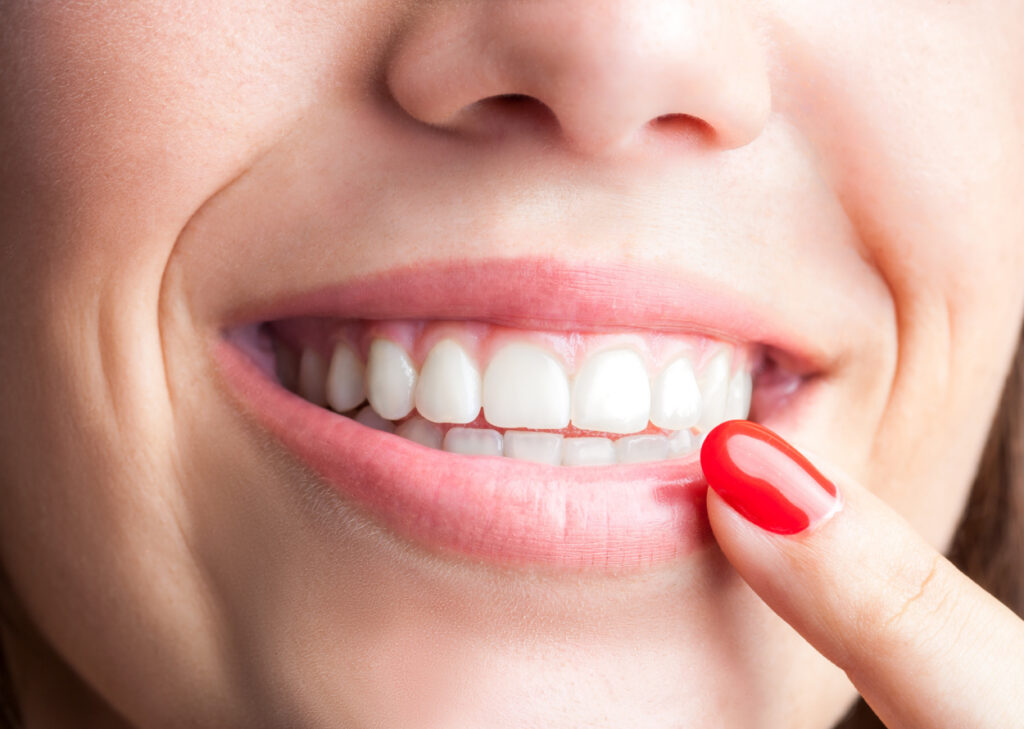
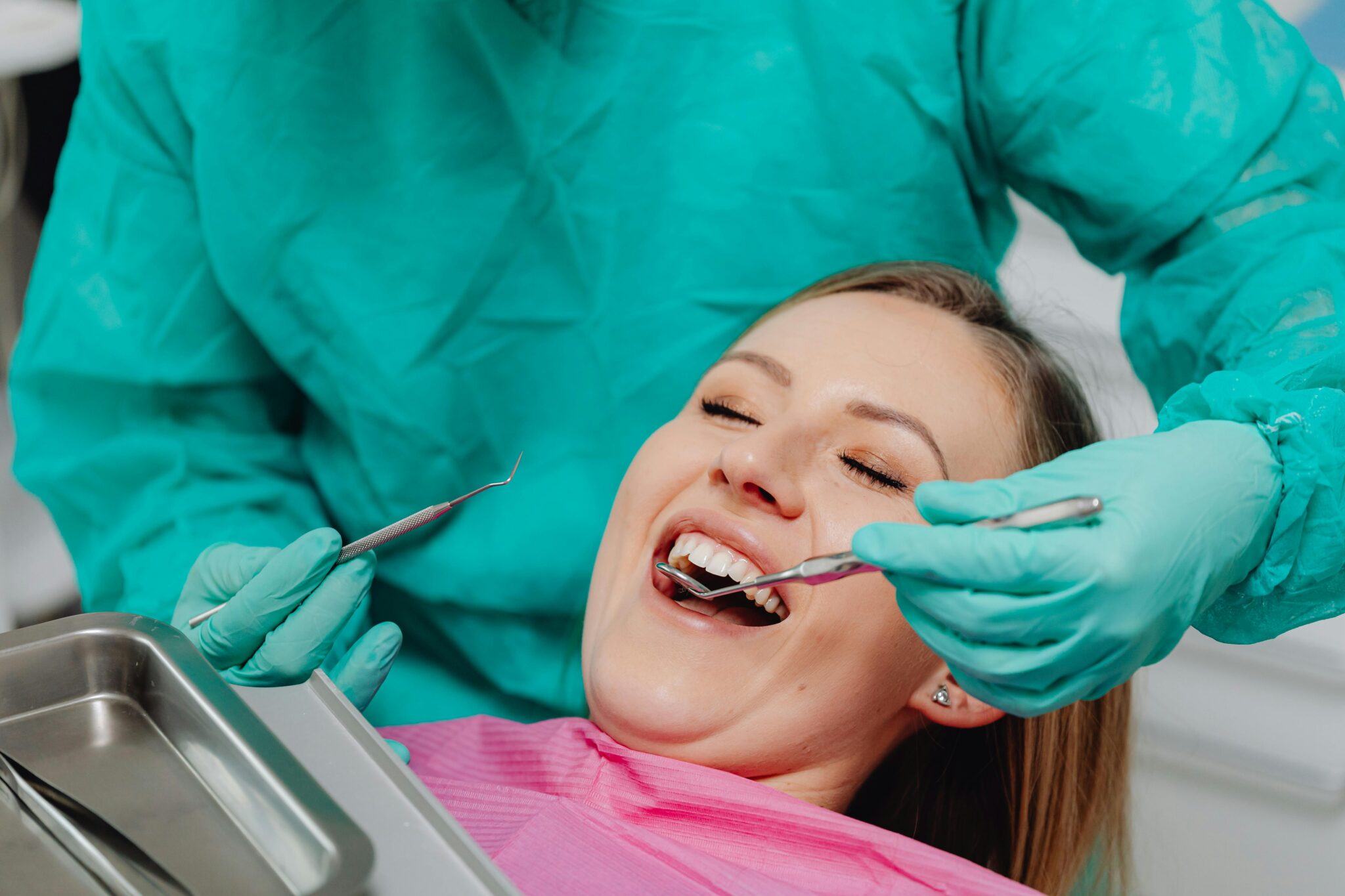
A lot of patients ask this question after the first few weeks of aligner wear, usually around the point when their teeth start looking straighter and they notice everything else more closely. Once crowding begins to ease, old staining can become easier to see. Edges line up differently, attachments catch the light, and people start thinking less about movement and more about color. It is a reasonable question, and the short answer is yes, many people can whiten their teeth during Invisalign treatment. The better answer is that timing, method, and supervision matter more than most people expect.
Teeth whitening seems simple from the outside. Put gel on the teeth, wait, rinse, smile. During orthodontic treatment, it gets more nuanced. Invisalign trays cover the teeth, attachments may block contact in certain spots, some whitening agents can increase sensitivity, and if you have any untreated dental issues, whitening can turn a manageable problem into a painful one. There is also the cosmetic side of it. If the shade changes unevenly while your teeth are still moving, the result may not look as polished as you hoped.
That does not mean you need to wait until the very end. In many cases, whitening during treatment is perfectly workable, especially when a dentist guides the process. The key is understanding what is happening inside your mouth and choosing the approach that fits your stage of treatment.
Why patients want to whiten mid-treatment
There is a practical reason this comes up so often. Invisalign is discreet, but it also makes people hyper-aware of their teeth. They remove the trays several times a day, clean them, look at progress photos, and compare one week to the next. That level of attention tends to highlight stains from coffee, tea, red wine, curry, berries, and smoking. Even people who never thought much about tooth color before treatment often start noticing it halfway through.
There is also a social reason. Adults are the largest group pursuing clear aligner treatment, and adults usually want improvements that feel visible now, not twelve months from now. If someone has a wedding, a job transition, a professional photo shoot, or a big family event in the middle of treatment, they may not want to postpone whitening until the last refinement tray is finished.
From a clinical perspective, the desire makes sense. Straighter teeth do tend to display light better, but alignment alone does not remove intrinsic or longstanding external stains. If your enamel has yellowed over time or picked up deep discoloration, the straightening process will not solve that by itself.
The basic answer: yes, but not every method is a good idea
Whitening during Invisalign treatment is often possible because the aligners can act much like custom trays, which is useful when a dentist prescribes professional whitening gel. In fact, some dentists intentionally use a patient’s existing aligners for this purpose, though not every case is ideal. The aligners fit closely, keep the gel against the teeth, and are already part of the daily routine.
Still, not all whitening methods work equally well during treatment. Whitening toothpastes rarely make a dramatic difference and can sometimes be too abrasive if overused. Over-the-counter strips can be awkward around attachments and may not sit evenly on moving teeth. LED kits sold online are hit or miss, and the marketing usually promises more than the chemistry can deliver.
The most reliable options tend to be professionally supervised. That usually means either a lower-concentration take-home whitening gel placed in aligners for short periods, or a carefully timed in-office treatment if your dentist thinks it makes sense. What matters is not just getting the teeth whiter, but getting them whiter safely and with an even appearance.
What can make whitening harder during Invisalign
The biggest issue is attachments. These small tooth-colored bumps are bonded to certain teeth to help the aligners grip and direct movement. They are useful for treatment, but they complicate whitening a bit. The resin used for attachments does not whiten like natural enamel. If you bleach while attachments are in place, the surrounding enamel may lighten while the attachment shade stays the same. Sometimes that difference is barely noticeable. Sometimes it is obvious, especially under bright bathroom lighting or in close-up photos.
Another issue is that teeth are moving. A surface that looks shaded in one position may become more visible later. If a tooth was rotated and had an area hidden from normal brushing and saliva flow, that area may look slightly different once the tooth straightens out. Patients are occasionally surprised by this. They assume whitening “missed” a spot, when really the newly exposed enamel had a different stain pattern before it ever saw whitening gel.
Sensitivity also deserves respect. Invisalign itself can create mild soreness as trays change. Whitening can add transient nerve irritation, cold sensitivity, or gum tenderness if the gel leaks. For someone who already clenches, has thin enamel, or tends to react strongly to cold drinks, this can make treatment feel much less comfortable.
Then there is oral health. If you have untreated cavities, leaking fillings, gum recession, enamel cracks, or exposed root surfaces, whitening should not be the first move. Whitening agents can pass into vulnerable areas and cause real discomfort. A dentist will usually want those issues stabilized first.
What dentists usually recommend in real life
In everyday practice, the decision often comes down to where you are in treatment and what your mouth can tolerate. If a patient is only a few weeks into Invisalign and has many attachments, I would generally expect a conservative recommendation. It often makes more sense to wait until the teeth are further along, when the smile is more settled and the likely end result is easier to predict.
If a patient is several months in, keeping excellent hygiene, and mainly wants to lift coffee or tea staining by a shade or two, supervised whitening may be a good fit. This is especially true when the gums are healthy and sensitivity has not been a problem.
Final whitening near the end of treatment is also common, and for good reason. Once the major movement is complete and attachments are about to come off, your dentist can judge color more accurately. If any contrast remains after attachments are removed, a final whitening touch-up can even things out.
A lot of people assume there must be one perfect moment to whiten during Invisalign. In practice, there are several acceptable windows. The right one depends on your enamel, your staining pattern, your attachments, and your goals.
If you whiten during treatment, how is it usually done?
The most practical method is usually take-home whitening gel prescribed by a dentist. The gel is placed sparingly into the front surface area of the aligners, or sometimes into specifically provided trays, and worn for a limited time. That could be as short as fifteen to thirty minutes with certain formulas, or a few hours with others. It varies depending on the active ingredient and concentration.
Carbamide peroxide and hydrogen peroxide are the usual agents. Higher strength is not automatically better. In fact, a lower or moderate concentration used consistently can give a nicer experience than an aggressive formula that leaves you wincing when you breathe in cold air. Many dentists would rather see steady progress over one to two weeks than a dramatic but uncomfortable push in a day or two.
In-office whitening is another option, though it is not always the first choice mid-treatment. It can produce a quick visible change, but if attachments remain in place, the result may still need refinement later. Some patients love the immediacy of it before a special event. Others are happier with slower, controlled whitening at home because it lets them stop, adjust, or take a break if sensitivity develops.
Over-the-counter products are the least predictable. Some are safe enough for healthy teeth, but they are not tailored to your particular orthodontic setup. I have seen patients use strips that fail to contact the enamel well because of attachments, then keep repeating applications out of frustration. That can leave the gums irritated without solving the cosmetic problem they were trying to fix.
The question almost nobody asks: will whitening be even?
Evenness matters more than raw shade. A very bright smile with patchy tone can look less natural than a modest improvement that is uniform. During Invisalign, the risk of uneven whitening is not imaginary, but it is often manageable if you know what to watch for.
Attachments are one reason. Another is composite bonding or fillings on the front teeth. Whitening does not lighten restorations the way it lightens enamel. If you have white fillings, bonding, veneers, or crowns visible in your smile, the natural teeth may change shade while those materials stay put. Sometimes they still blend well. Sometimes they do not, especially if the existing dental work already matched a darker tooth color.
There is also the matter of dehydration. Right after removing aligners, teeth can look temporarily chalkier or lighter because the enamel surface has dried slightly. This can make people think the whitening worked more dramatically than it really did, or that one area is a different color. A more honest read usually comes after the teeth have rehydrated.
For patients who want the most polished cosmetic result, the best sequence is often this: straighten first, remove attachments, whiten once the enamel can be viewed cleanly, then update any front-tooth bonding if needed. That sequence is slower, but it is also the one most likely to produce a balanced finish.
When whitening during Invisalign makes good sense
There are situations where whitening mid-treatment is not just acceptable, but genuinely useful. A patient with mild yellowing and a long course of aligners may prefer gradual whitening in parallel, rather than saving every cosmetic change for the very end. Someone preparing for an event six months before treatment completion may want a lift in brightness now, even if a final touch-up comes later.
It also makes sense for patients whose stains are largely external. Coffee, tea, tobacco, and red wine can darken enamel over time, and even a modest supervised whitening plan can make a noticeable difference. If the goal is a healthier, fresher look rather than movie-poster whiteness, treatment during Invisalign can work well.
A realistic mindset helps. The patients happiest with whitening during orthodontics are usually the ones who understand they may need a second pass after attachments come off. They treat mid-course whitening as a useful improvement, not necessarily the final polish.
When it is smarter to wait
There are also clear cases where https://edwinyjgq821.iamarrows.com/how-invisalign-fits-into-an-active-lifestyle patience pays off. If you have many attachments on front teeth, significant sensitivity, active decay, gum inflammation, or front restorations likely to need replacement, waiting is often the wiser option. The same is true if you are early in treatment and your teeth are still changing position rapidly.
Here are the situations where I would be especially cautious:
- You already have sharp sensitivity to cold, sweets, or air.
- Your dentist has noted cavities, gum recession, or worn enamel.
- You have several visible attachments on the front teeth.
- You have bonding, crowns, or veneers in the smile zone.
- You want one final, highly even shade with minimal risk of patchiness.
None of those points automatically rule whitening out. They simply change the conversation. In many of these cases, waiting until later leads to a better cosmetic outcome and a more comfortable experience.
What about whitening toothpaste and mouthwash?
These products have their place, but expectations should stay grounded. Whitening toothpaste mostly helps by removing surface stain, not by deeply changing the internal color of the tooth. If you drink dark beverages or notice mild staining around where aligners sit, a good toothpaste can help maintain brightness. It is maintenance, not transformation.
Whitening mouthwashes tend to be even subtler. They may freshen the mouth and support stain control, but they are not likely to create the kind of visible shift most people are hoping for when they ask about whitening during Invisalign.
The bigger issue is abrasiveness. Some whitening toothpastes rely on stronger polishing particles. Used twice daily on healthy enamel, many are fine. Used aggressively, especially by someone scrubbing hard because they are wearing aligners and anxious about cleanliness, they can contribute to wear at the gumline. That matters more than the label on the tube.
A practical way to do it safely
If you are considering whitening during Invisalign treatment, the most sensible route is straightforward:
- Ask your dentist or orthodontist to check for cavities, gum issues, exposed roots, and sensitive areas first.
- Discuss where you are in treatment, especially whether attachments on visible teeth may affect the appearance.
- Use only the whitening product and wear time they recommend, rather than improvising with stronger or more frequent applications.
- Stop or space out treatments if sensitivity builds, and report it rather than trying to power through.
- Reassess shade after teeth rehydrate and after attachments are removed, since you may want a final touch-up later.
That process may sound conservative, but it prevents the common mistakes. The fastest way to turn a cosmetic upgrade into a frustrating week is to whiten aggressively on top of untreated sensitivity or around front-tooth attachments without any plan.
Hygiene matters more than people think
Sometimes what a patient wants is not whitening as much as stain control. Invisalign can trap small amounts of residue if oral hygiene slips, and aligners themselves can discolor if they are exposed to coffee, tea, or colored drinks. A person who sips iced coffee with trays in all morning may assume their teeth are yellowing when, in reality, the plastic is picking up stain and casting a darker look over the enamel.
Better cleaning habits often improve the appearance before any bleaching begins. Brushing after meals, cleaning the aligners properly, avoiding dark drinks while trays are in, and using a straw when practical can make a visible difference. So can limiting turmeric-heavy foods or rinsing with water right after consuming staining items.
I have seen patients gain a half-shade worth of brightness simply by correcting those habits for a few weeks. That is not dramatic marketing copy, but it is real life. Teeth often look better when the film, residue, and tray discoloration are addressed first.
The attachment issue, up close
It helps to be specific about attachments because they are the source of most confusion. If a tooth has a bonded attachment, the enamel underneath is partially covered by composite. The visible outer contour may not bleach exactly like the surrounding tooth. Once the attachment is removed, that area can blend surprisingly well, or it can look like a faint difference for a short period. In most cases, a final whitening session after removal helps smooth that out.
Patients sometimes worry that whitening with attachments will permanently create “spots.” That is rarely the right way to think about it. More often, you are seeing a temporary mismatch between materials, or you are noticing enamel that has been covered and is only now being evaluated in normal light. Dentists deal with this all the time. It is usually a question of sequencing and touch-up, not permanent damage to appearance.
What results are realistic?
This depends on your starting shade, age, habits, and enamel structure. A person with light yellow surface staining may notice a visible improvement fairly quickly. Someone with grayish intrinsic discoloration, old trauma to a tooth, or tetracycline-related staining may see less change and need more specialized evaluation. Whitening works best on many common yellow-toned stains, but it is not equally effective for every type of discoloration.
That is another reason dentist involvement matters. If one front tooth is darker because of previous injury, standard whitening may not fix the mismatch. It may make the neighboring teeth lighter while the darker tooth stays behind. Without proper guidance, patients can spend time and money chasing a result that chemistry alone cannot deliver.
For most healthy adults in Invisalign, the realistic goal is a cleaner, brighter shade and less visible staining, not a flawless studio-white finish halfway through active tooth movement. When people understand that, satisfaction tends to be high.
The best timing for many patients
If I had to pick the timing that most often produces the nicest overall result, it would be near the end of Invisalign treatment or in two phases. A mild, conservative whitening during treatment can boost confidence and manage staining, then a final refinement after attachments are removed can create a more even finish. That approach respects both the biology of sensitivity and the optics of cosmetic detail.
Still, there is no single rule that fits everyone. Some patients do beautifully with whitening mid-treatment and need little afterward. Others are better served by waiting. What matters is not whether whitening is technically possible, but whether it is sensible for your teeth at that moment.
The good news is that Invisalign does not automatically block you from whitening. In many cases, it simply changes the timing and method. If your mouth is healthy, your expectations are realistic, and your whitening plan is supervised, you can often brighten your smile safely while your teeth are still moving. The smartest question is not “Can I?” It is “Is now the right time, and am I using the right approach?”
Omni Dental Specialty
Address: 1690 E Gonzales Rd, Oxnard, CA 93036
Phone number: +18053666000
FAQ About Invisalign
How much does Invisalign actually cost?
The out-of-pocket cost for Invisalign typically ranges between $3,000 and $8,000, with most patients paying a national average of roughly $5,100 to $5,700 before insurance.
What is the downside to Invisalign?
The biggest downsides to Invisalign are the intense discipline required to wear the trays 22 hours a day, the inconvenience of removing them to eat or drink, and the inability to fix severe, complex orthodontic issues.
Is $5000 a lot for Invisalign?
No, $5,000 is not considered a lot for Invisalign; it is exactly the national average. Treatment costs typically fall between $3,000 and $8,000, and $5,000 is the standard fee for a moderately complex case that takes 6 to 18 months to complete.